
Section 1 – Understanding Living Donor Liver Transplantation
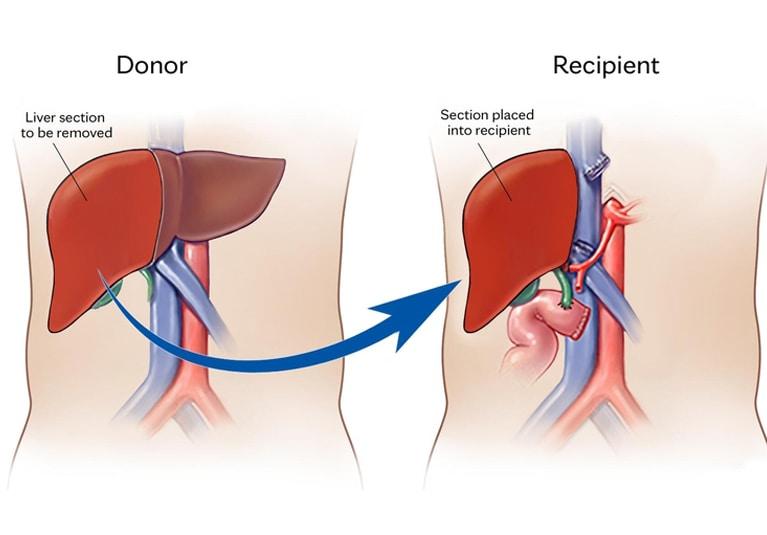
Q1. What is a Living Donor Liver Transplant?
It is a surgical procedure in which a healthy person donates a portion of their liver to a patient whose liver is severely damaged or failing. The
donated portion is transplanted into the recipient.
Q2. Why is a liver transplant needed?
A liver transplant may be recommended when the liver can no longer perform its essential functions due to conditions such as cirrhosis, acute liver failure, certain liver cancers or other advanced liver diseases.
Q3. What are the advantages of living donor liver transplantation?
It can allow planned transplantation, reduce dependence on the availability of a deceased donor organ and help avoid prolonged waiting in suitable patients. It also allows detailed evaluation of both donor and recipient before surgery.
Section 2 – Donor Eligibility and Selection
Q4. Who can donate a part of their liver?
A potential donor must be at least 18 years old under Indian law, medically and psychologically fit, willing to donate voluntarily and have suitable
liver anatomy and volume. There is no single upper age limit applicable to every centre; suitability is assessed individually.
Q5. Can family members or friends donate?
Near relatives, including parents, children, siblings, spouses, grandparents and grandchildren, may be considered. Donations from persons other
than near relatives, including friends, require the applicable Authorisation Committee approval under Indian law.
Q6. Does the donor's blood group need to match the recipient's?
Blood group compatibility is generally preferred. Selected ABO-incompatible liver transplants may also be possible at experienced centres using specialised protocols.
Q7. Can someone with diabetes or high blood pressure donate?
These conditions require individual medical assessment. The transplant team evaluates the donor's overall health and the risks associated with
surgery before deciding whether donation is appropriate.
Section 3 – Medical Evaluation Before Donation
Q8. What tests are required before liver donation?
Tests may include blood investigations, liver and kidney function tests, infection screening, cardiac assessment, CT or MRI scans, liver volume
assessment and psychological evaluation.
Q9. Why is a CT or MRI scan needed?
These scans help assess liver size, blood vessels, bile ducts and anatomical variations. They help the transplant surgeon determine whether
donation can be performed safely.
Q10. Can a donor be rejected after medical tests?
Yes. A potential donor may be declined if the medical findings indicate an unacceptable risk to their health or if the liver is unsuitable for
transplantation. Donor safety always takes priority.
Section 4 – Liver Donation Surgery and Recovery
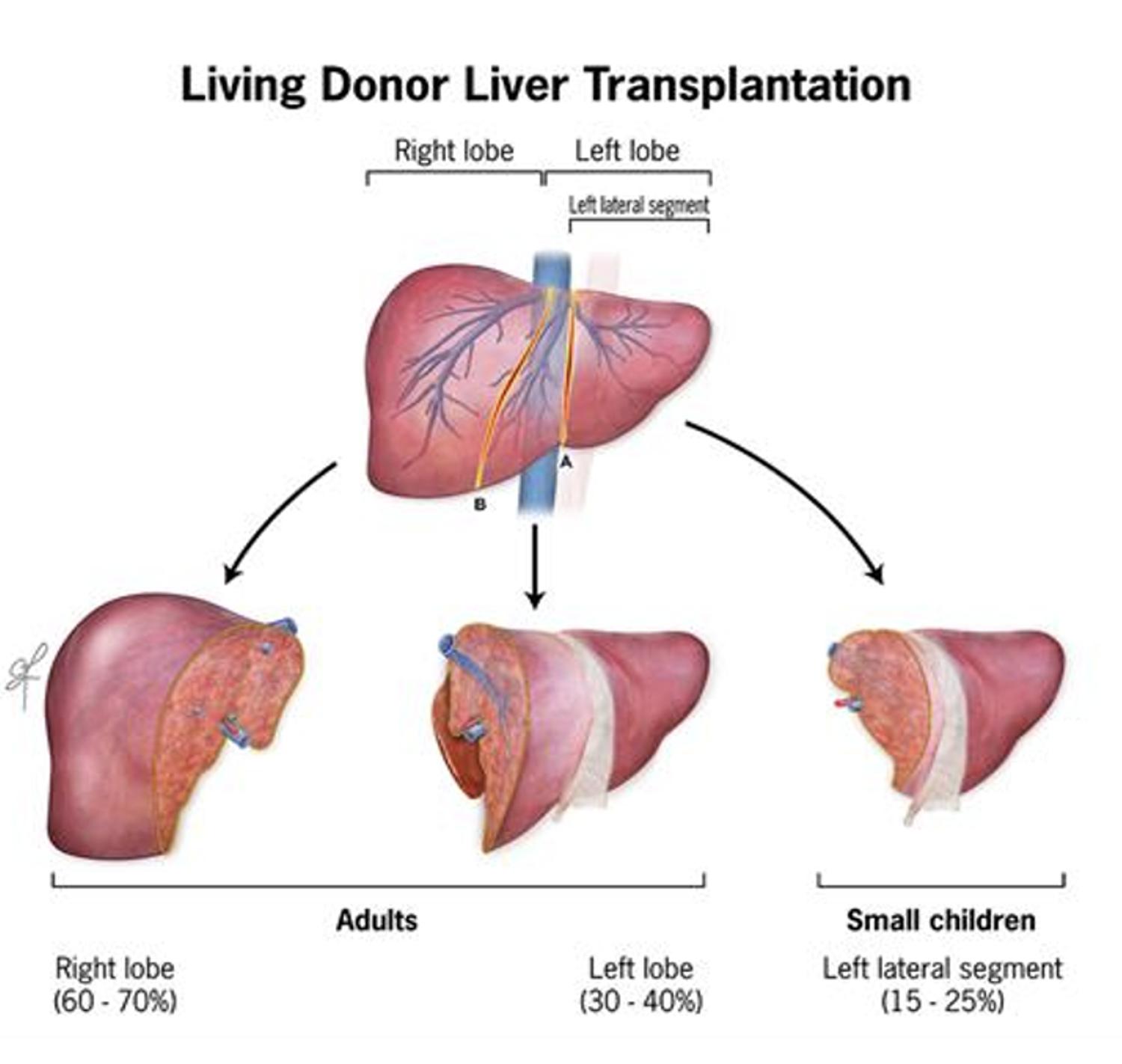
Q11. How much of the liver is donated?
The amount depends on the recipient's needs, donor anatomy and the volume of liver that must remain with the donor. The surgical team
determines the appropriate portion after detailed evaluation.
Q12. Does the liver grow back after donation?
Yes. Both the donor's remaining liver and the transplanted liver portion regenerate in volume over time. They do not necessarily regain their exact
original anatomical shape.
Q13. How long does the surgery take?
The duration varies according to surgical complexity, anatomy and individual circumstances. The transplant team can provide an estimate after
evaluating the donor and recipient.
Q14. How long is the hospital stay and recovery?
Hospital stay and recovery vary. Donors commonly require several days in hospital, followed by gradual recovery over several weeks. Many return to routine activities within approximately 6–12 weeks, although full recovery may take longer.
Section 5 – Risks and Safety
Q15. Is living liver donation completely safe?
No major surgery is completely risk-free. Although carefully selected donors generally recover well, living liver donation carries risks, including rare life-threatening complications.
Q16. What are the possible complications for the donor?
Potential complications include bleeding, infection, bile leakage, blood clots, wound complications, hernia, injury to nearby organs and liver
dysfunction. Rarely, severe liver failure or death may occur.
Q17. Can a donor die during or after surgery?
Yes. Although rare, donor death is a recognised risk of living liver donation. This risk must be clearly explained during informed consent, and every
possible measure must be taken to minimise it.
Q18. Can a donor lead a normal life after donation?
Many donors return to their usual personal and professional activities after recovery. Regular follow-up and healthy lifestyle practices remain important.
Section 6 – Questions About the Recipient
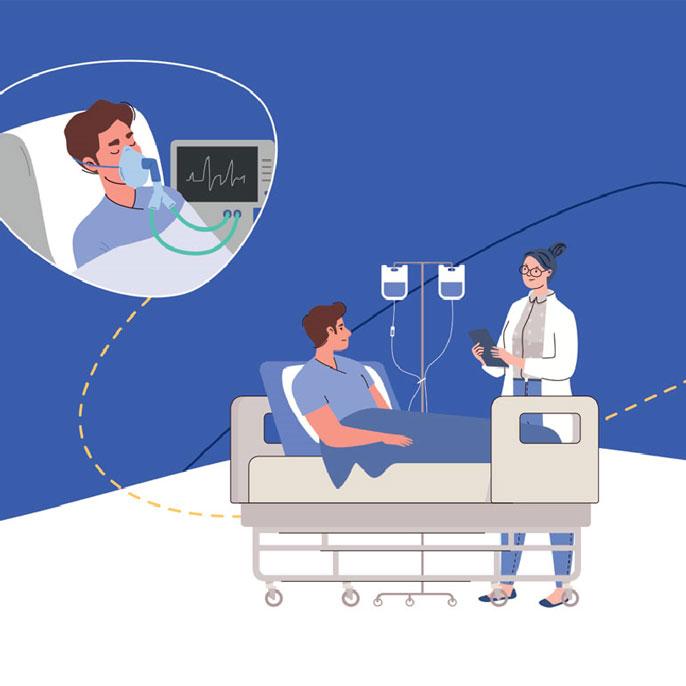
Q19. How long is the hospital stay for the recipient?
The recipient may require several weeks of hospital care, including intensive care monitoring. The duration depends on their condition, surgical
recovery and any complications.
Q20. Will lifelong medicines be needed?
Yes. Most liver transplant recipients need lifelong immunosuppressive medicines to prevent rejection. These medicines must be taken as
prescribed.
Q21. Can the transplanted liver be rejected?
Yes. Rejection can occur when the immune system attacks the transplanted liver. It can often be managed with appropriate treatment, especially
when detected early.
Q22. What is the success rate of living donor liver transplantation?
Outcomes can be good at experienced transplant centres. However, success depends on recipient health, donor graft suitability, surgical factors
and postoperative care. Individual prognosis should be discussed with the transplant team.
Q23. Can the recipient lead a normal life after transplantation?
Many recipients return to work, travel and everyday activities after recovery. Lifelong medication, regular monitoring and medical guidance remain
essential.
Section 7 – Legal, Financial and Practical Questions
Q24. Is living donor liver transplantation legal in India?
Yes. It is regulated under the Transplantation of Human Organs and Tissues Act (THOTA), 1994, and the applicable rules and amendments. The
hospital must be authorised, and prescribed approvals and documentation must be completed.
Q25. Can someone receive money for donating a liver?
No. Buying or selling human organs is illegal in India. Donation must be voluntary and free from financial inducement.
Q26. Who pays for the donor's medical expenses?
This depends on the hospital's transplant package, insurance coverage and applicable arrangements. The donor and recipient should clarify the
financial responsibilities with the transplant centre before proceeding.
Q27. Can the donor withdraw consent?
Yes. A potential donor has the right to withdraw consent before donation. The decision must be voluntary and free from pressure or coercion.
Section 8 – Frequently Asked by Families
Q28. Can more than one family member be evaluated as a donor?
Yes. Multiple potential donors may be evaluated. The transplant team selects a suitable donor based on medical, anatomical, psychological and l
egal considerations.
Q29. Will liver donation affect future pregnancy?
Many women can have successful pregnancies after liver donation. However, pregnancy planning should be discussed with the treating surgeon
and obstetrician after adequate recovery.
Q30. Does the recipient need a special diet after transplantation?
A balanced diet with adequate protein and nutrition is generally recommended. Dietary advice may vary depending on the recipient's health,
medication and recovery.
Q31. Can the recipient travel after transplantation?
Many recipients can travel after recovery and medical clearance. They should continue prescribed medicines, attend follow-up appointments and follow their transplant team's travel precautions.
Important patient information
This content is intended for general educational purposes and does not replace individual medical advice. Every donor and recipient requires a detailed assessment by an experienced liver transplant team. Outcomes and recovery vary from person to person.