

Liver Cancer Care by Dr Golhar in Mumbai
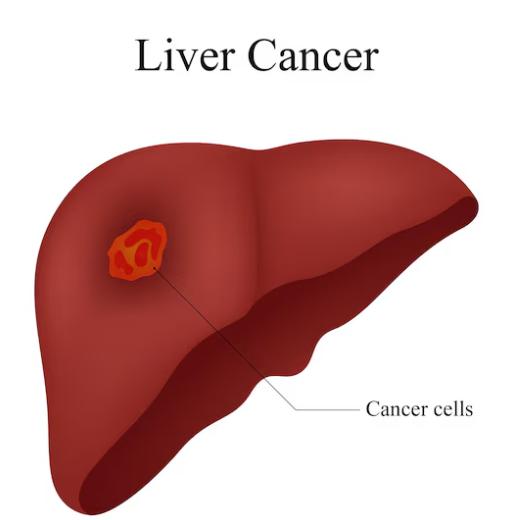
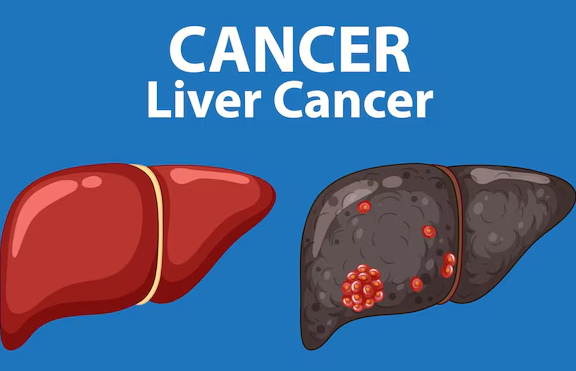
What is Liver Cancer? Liver cancer occurs when cancer cells form in the tissues of the liver. The most common type is hepatocellular carcinoma (HCC), which often develops in people with chronic liver diseases, such as cirrhosis or hepatitis.z
Signs and Symptoms
Symptoms of liver cancer can be vague and may include:
• Unexplained weight loss
• Loss of appetite
• Nausea or vomiting
• Abdominal pain or swelling
• Jaundice (yellowing of the skin and eyes)
• Fatigue
Diagnosis
If liver cancer is suspected, doctors may use several methods to diagnose it, including:
• Blood Tests: To check liver function and for specific markers (like alpha-fetoprotein).
• Imaging Tests: Ultrasound, CT scans, or MRIs help visualize the liver and detect tumors.
• Biopsy: A small sample of liver tissue may be taken to confirm the diagnosis. A biopsy is very uncommonly required as imaging can conclusively diagnose HCC most of the time.
Treatment Options
Treatment for liver cancer depends on various factors, including the stage of cancer, the overall health of the patient, and liver function. Common treatment options include:
Surgery:
Partial Hepatectomy: Removing the tumor and some surrounding healthy tissue.
Liver Transplant: Replacing the diseased liver with a healthy one from a donor.
Ablation Therapies:
Radiofrequency Ablation (RFA): Using heat to destroy cancer cells.
Microwave Ablation: Similar to RFA but uses microwaves
Embolization:
Transarterial Chemoembolization (TACE): Delivering chemotherapy directly to the tumor while blocking its blood supply.
Radioembolization: Using radioactive beads to target and kill cancer cells.
Targeted Therapy:
Medications that specifically target cancer cells can help slow the progression of the disease.
Immunotherapy:
Treatments that help the body’s immune system fight cancer.
Chemotherapy:
Sometimes used, but it’s not as effective for liver cancer as for other types.
Supportive Care
In addition to treatments aimed at controlling cancer, supportive care is vital:
• Palliative Care: Focuses on relieving symptoms and improving quality of life, regardless of the stage of cancer.
• Nutrition: A healthy diet can help maintain strength and manage side effects.
• Psychosocial Support: Counseling and support groups can help cope with the emotional aspects of cancer.
Follow-Up Care
After treatment, regular follow-up appointments are essential to monitor for any recurrence of cancer and manage any ongoing health issues.
Summary
Liver cancer care involves a combination of treatments tailored to the individual’s needs and condition. Early diagnosis and a comprehensive treatment plan can significantly impact outcomes. If you or a loved one is dealing with liver cancer, it’s important to discuss all available options with a healthcare provider to ensure the best possible care.
For More Information contact us at [+918048033440]