

Liver Transplant Care By the Best Liver Transplant Surgeon Dr Golhar in Thane
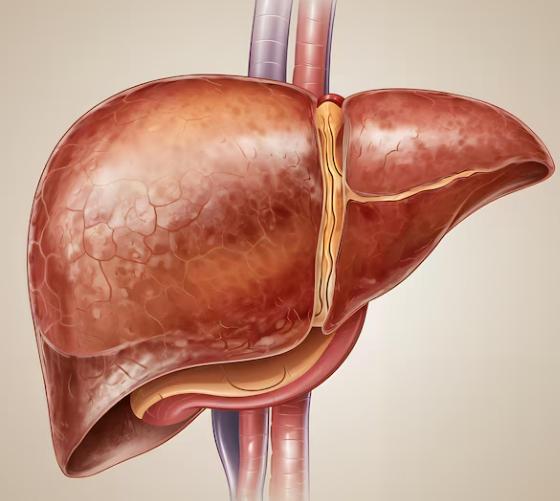
What is a Liver Transplant? A liver transplant is a surgical procedure in which a damaged or diseased liver is replaced with a healthy liver from a donor. This can be a life-saving treatment for people with severe liver disease or liver failure.
When is a Liver Transplant Needed?
A liver transplant may be necessary for conditions such as:
• Cirrhosis: Scarring of the liver that can result from chronic liver disease.
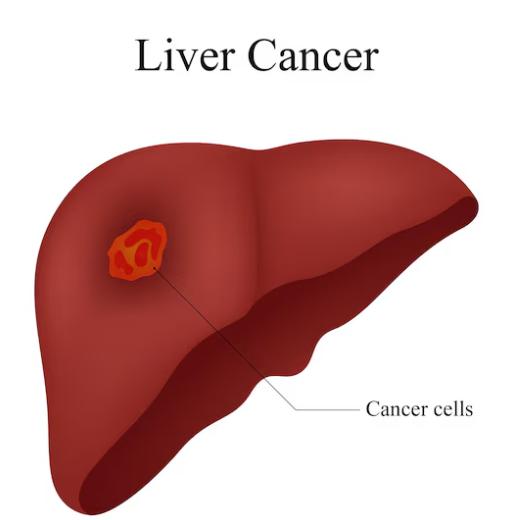
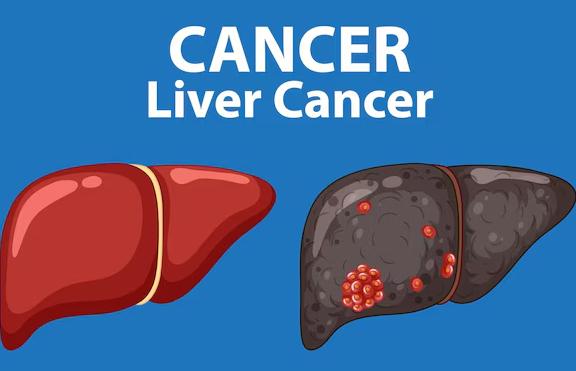
• Liver Cancer: When cancer affects the liver and cannot be treated with other
methods.
• Acute Liver Failure: Sudden loss of liver function due to infections, toxins, or other causes.
• Genetic Disorders: Certain inherited conditions that damage the liver.
The Transplant Process
Evaluation: Doctors perform tests to assess whether a person is a good candidate for a transplant. This includes checking overall health and liver function.
Waiting List: If approved, the patient is placed on a waiting list for a donor liver. The wait can vary based on the urgency of the need and the availability of suitable organs.
Finding a Donor:
Living Donor: In some cases, a portion of a healthy liver from a living donor (usually a family member or friend) can be transplanted.
Deceased Donor: Most transplants come from deceased donors, and matching blood type and size is important.
Surgery: The transplant surgery usually takes several hours. The diseased liver is removed, and the donor liver is carefully placed and connected to the blood vessels and bile ducts.
Recovery: After surgery, the patient stays in the hospital for monitoring. Recovery time varies, but many people can return to normal activities within a few months.
Life After Transplant
• Medications: Patients need to take immunosuppressive medications to prevent the body from rejecting the new liver.
• Regular Check-Ups: Ongoing medical care and follow-up appointments are
essential to monitor liver function and overall health.
• Lifestyle Changes: Healthy lifestyle choices, such as a balanced diet and avoiding alcohol, are important for the success of the transplant.
Risks and Considerations
• Rejection: The body might reject the new liver, which can be serious but is usually manageable with medication.
• Infections: Because of immunosuppressive therapy, patients are at higher risk for infections.
• Complications: As with any major surgery, there are risks such as bleeding or
infection during the procedure.
Summary
A liver transplant can be a vital treatment for those with severe liver disease. It involves a careful evaluation process, waiting for a suitable donor, and a commitment to lifelong care and lifestyle changes after the surgery. If you or someone you know is considering a liver transplant, discussing the details with a healthcare provider is crucial for understanding the process and what to expect